other

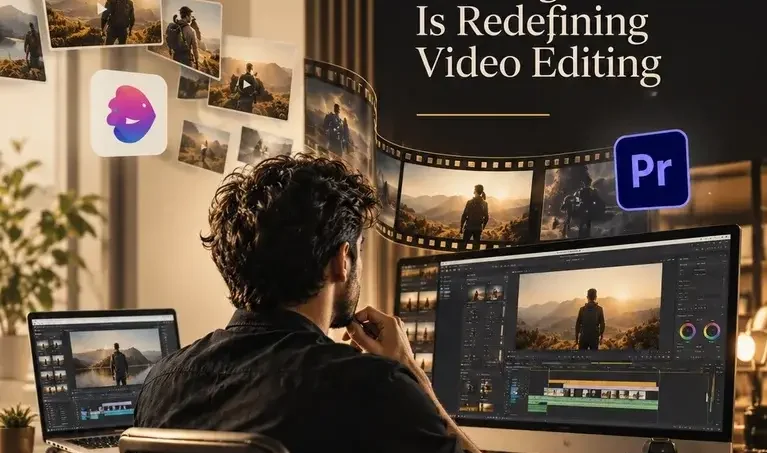
Invideo Editor vs Adobe Premiere Pro: How Agentic AI Is Redefining Video Editing

Introduction Video editing has traditionally been built around manual workflows. Creators open an editing application, import their footage, organize clips, adjust timelines, add effects, improve audio, and refine every detail before publishing the final video. For professional editors, this approach has worked for decades. Tools like Adobe Premiere Pro became industry standards because they provided deep control over every aspect of production. However, the way people create videos is changing. Businesses, marketers, educators, and content creators now need to produce
read more

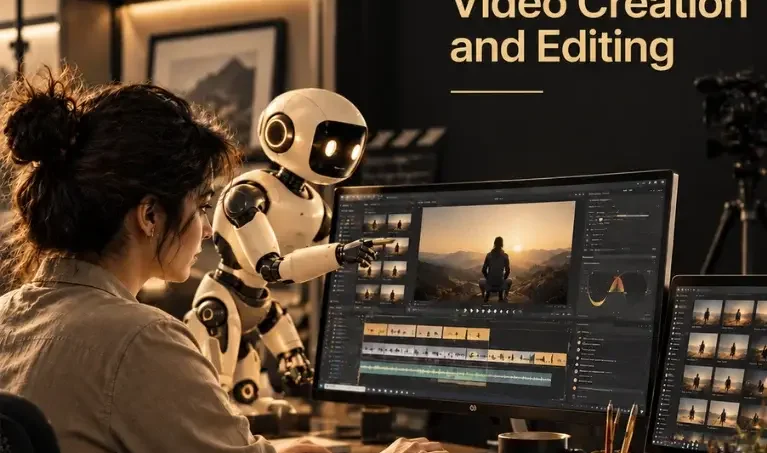
How AI Agents Are Changing the Future of Video Creation and Editing

Introduction Creating a professional video has traditionally required multiple stages, from developing an idea and writing a script to recording footage, editing scenes, adding visuals, and preparing the final version for publishing. For years, creators relied on traditional editing software where every step required manual input. Editors had to organize timelines, select clips, adjust transitions, improve audio, and make detailed changes before a video was ready. However, the growing demand for video content has changed the way creators approach production.
read more

Invideo Launches invideo Editor: Bringing Agentic AI Workflows Into Video Editing

Video creation is entering a new phase. For years, editing software has required editors to manually manage every step of production, selecting clips, arranging timelines, adding visuals, improving audio, and making countless small adjustments before a video is ready. Artificial intelligence changed the first stage of video creation by helping users generate scripts, visuals, and complete video drafts. However, editors still needed more flexibility when it came to editing and refining content. With the launch of invideo Editor, invideo is
read more

Cloud-Based Video Editing: Why Businesses Are Moving Toward Online Creative Workflows ?

Video has become a critical communication tool for modern businesses. Companies use videos for marketing campaigns, product demonstrations, customer education, employee training, and internal communication. As the demand for video content continues to grow, businesses need faster and more flexible ways to create, edit, and distribute videos.  However, traditional video editing workflows often come with limitations. Professional editing software may require powerful hardware, large storage capacity, and specialized skills. Teams working from different locations may also face challenges when collaborating
read more
Prev
Next